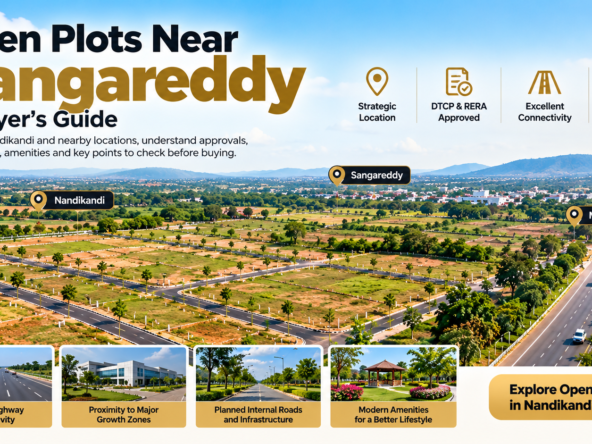
Quick answer: before you book an open plot in Hyderabad, check how the plot will get a road, water, electricity and drainage, and who is responsible for each one. A plot that looks perfect on paper can be expensive and slow to use if the basic services are missing or unclear. Ask for details in writing, visit the site yourself, and confirm what you hear with the local offices and neighbours.
This guide gives a plain checklist for road access and utilities. It does not quote prices, timelines or market figures, because those change and should be confirmed with each seller. It is general information, not legal or engineering advice, so ask a property lawyer and a qualified professional to review the details of the plot you like.
Why Services Matter as Much as Location
Most buyers start with a location and a budget. That is sensible, but it is only half of the picture. A plot is useful when you can reach it in any season, bring in building material, connect water and power, and drain waste water away without trouble. If any of these is missing, you may spend more time and money later than you expected.
The services around a plot also affect how easy it is to sell later. A future buyer will ask the same questions you are asking now. A plot with clear access and proper services is simpler to explain, and a plot with open questions is harder.
Start With Road Access
Road access is the first thing to check, because every other service depends on it. Trucks carry material, utility lines follow roads, and emergency vehicles need a way in.
Is the road shown on the layout plan? Compare the approved plan with what you see on the ground. The road on paper and the road in real life should match.
Is the road actually built? Some layouts show roads that exist only as marked lines. Ask whether the road is already laid, and if not, who will lay it and by when.
Does the layout road connect to a public road? A beautiful internal road that ends at a private field is not real access. Walk or drive the full route from the main road to your plot.
Is the road wide enough for your plan? If you plan to build, a construction truck must be able to reach the plot and turn. Look at the road on a normal day and imagine a large vehicle on it.
What happens in the rainy season? Visit after rain if you can. A road that is fine in dry weather may become hard to use when wet.
Who maintains the road? Ask whether the developer, a residents group or the local body looks after it after the sale.
Corner Plots, Road Facing and Access Rights
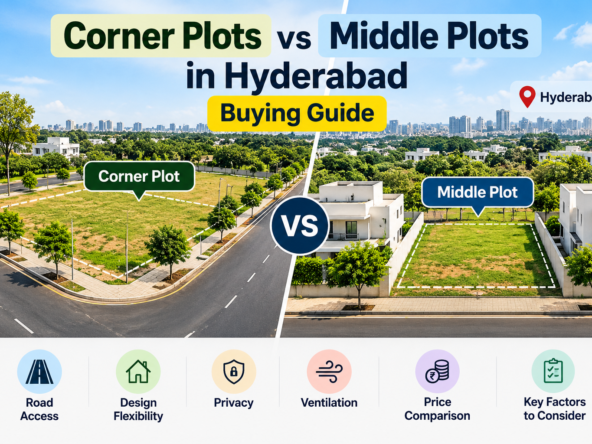
Plots that face a road, or sit on a corner, are often described as more desirable. Instead of relying on the label, check the facts. Confirm which side the road is on, how many sides open to a road, and whether any road side is meant to stay open as a common area. If a neighbouring plot or open space sits between your plot and the road, ask how your right of access is recorded.
Water Supply
Water is one of the first things a family will need after moving in, and one of the first things builders need during construction. There are usually a few possible sources, and each has its own questions.
Piped supply: Ask whether a supply line already runs to the layout, who is responsible for connecting your plot, and what approvals or fees apply. Get the answer from the responsible office as well as the seller.
Borewell: Many plots depend on a borewell. Ask neighbours about the source they use and whether it works through the year. Ask whether any local rule applies to drilling on your plot.
Tanker supply: Some areas rely on tankers for part of the year. This is workable for construction but can be tiring for daily life. Ask residents how it works in practice.
Water quality: If you plan to drink the water, ask a qualified lab to test a sample instead of trusting a rough guess.
Electricity
Look up from the plot and check where the poles and lines are. Ask the seller how power will reach your plot and what you will need to apply for. Questions worth asking:
Is there an existing line near the plot, or does one need to be extended?
Who arranges and pays for any extension, the developer or the buyer?
Can you get a temporary connection for construction, and what is the process?
Are existing poles or transformers placed in a way that affects where you will build?
Ask the local electricity office what documents they will want from you. It is better to know this before you book than after.
Drainage and Sewage
Drainage is easy to overlook, and it affects your plot every monsoon. Stand on the plot and see where water would run. Check these points:
Where does rain water from the road and neighbouring plots flow, and does it pass through or collect on your plot?
Is there a storm water drain along the road, and does it lead somewhere sensible?
Is there a sewer line, or will you need a septic arrangement of your own?
Is the plot lower than the road? A low plot can collect water and need extra work before building.
Look for signs on neighbouring plots and walls, such as water marks and damp patches. They tell you more than a brochure.
Other Services to Confirm
Street lights: Ask whether they are installed and who pays the bill.
Internet and mobile coverage: Check signal on site and ask neighbours about broadband options.
Waste collection: Ask how household waste is collected in the layout.
Common areas: If the layout has parks or open spaces, ask who maintains them.
Boundary marks: Ask for the plot boundaries to be shown on site and compare them with the plan.
Visit the Site With a Simple Plan
Do not rely on one short visit. If you can, go at least twice, at different times of day, and once in different weather. Carry the layout plan, a notebook and your phone for photos. Walk from the main road to the plot, and then around the plot. Talk to a few residents or nearby shopkeepers and ask what they would want to know before buying there. Write down what you see, and keep the photos with dates.
Questions to Ask the Seller in Writing
Which services are already available at the plot, and which are still planned?
Who is responsible for each missing service, and what is the expected completion date?
What fees or approvals will I need to pay for connections?
Is the internal road connected to a public road, and how is that access recorded?
Who maintains the road, drains and common areas after the sale?
Will you put these promises in the agreement?
If a seller is unwilling to put a promise in writing, treat it as an unknown. Verbal promises are hard to prove later.
Check With Local Offices and Neighbours
The seller is one source, but not the only one. Visit or contact the local offices that handle water, electricity and approvals, and ask what the process looks like for a plot in that area. Talk to people who already live or build nearby. They can tell you how long a connection really took, what surprised them and what they would do differently. Compare what they say with what the seller told you, and ask about any difference.
Plan Your Budget Around the Gaps
Every missing service is a task and a cost that you may have to handle. Without quoting any numbers, a simple approach works well: list each service, mark it as ready, planned or missing, and note who pays. Then add a buffer to your own budget for anything marked missing. If the list of missing items is long, either negotiate, ask for the work to be completed first, or consider another layout.
What to Do If a Service Is Missing
A missing service does not always mean you should walk away. It means you should slow down and decide with your eyes open. First, find out whether the gap is small or large. A short stretch of road or a pending connection is very different from a layout with no clear route to water or drainage. Second, ask who is responsible and request a written plan with dates. Third, ask whether the seller will complete the work before registration or share the cost in writing. Fourth, think about your own timeline. If you want to build soon, missing services can delay the plan. If you are buying to hold for a while, you may have more room to wait. Finally, speak to a professional about the risks that matter most for your plot, and be willing to say no. There are many layouts in Hyderabad, and the right one is the one where the questions you ask get clear answers.
Keep a Record
Create one folder for each plot. Add the layout plan, photos from each visit, notes from conversations, copies of every message with the seller and a list of open questions. When you compare plots later, this folder will save you from relying on memory. It also gives your lawyer a clear picture of what you were told, and it makes it easier to spot a promise that was never put in writing.
A Simple Scorecard
Road access: built, connected, and shown on the plan.
Water: source clear, connection process known.
Electricity: line nearby, process known.
Drainage: water flows away, no obvious collection on the plot.
Common services: street lights, waste collection and maintenance clear.
Paperwork: promises written into the agreement.
Use the same scorecard for each plot you consider. If two plots look similar, the one with clearer services and clearer paperwork is usually easier to own.
Common Mistakes to Avoid
Trusting a map without visiting the site.
Assuming that a planned service is the same as a working service.
Visiting only on a sunny day.
Forgetting to ask who pays for connections.
Relying on a verbal promise.
Skipping a lawyer’s review of the papers.
Frequently Asked Questions
Should I check services before or after the documents?
Do both before you book. Documents tell you whether the plot is clean to buy, and services tell you whether it is easy to use.
Can I buy a plot with no water or power yet?
Many people do, but it needs planning. Know who is responsible, what it will cost you and how long it may take, and get it in writing.
Is a corner plot always better?
Not always. Check access, drainage and how the road and open spaces are shown on the plan before you decide.
How often should I visit before booking?
More than once if you can, at different times of day, and ideally once after rain.
Who can help me verify the details?
A property lawyer for documents, and a qualified engineer or surveyor for site questions such as levels and drainage.
Next Step
If you are exploring open plots in Hyderabad and want a calmer way to shortlist layouts, HousingPandas can help you compare options at your own pace. Use the checklist above on every layout you visit, keep your notes together, and take your time over the final decision.